Aluminum Casting Explained: Trick Realities and Insights for Market Professionals
Aluminum casting works as an essential procedure in modern manufacturing, shaping components throughout different markets. Its varied approaches, such as sand and die casting, accommodate different manufacturing requirements. The distinct homes of aluminum alloys boost their applicability, yet tests stay in maintaining quality and efficiency. Comprehending these elements is necessary for sector professionals. What are the current improvements and finest methods that can further optimize this process?
Overview of Aluminum Casting Processes

Trick components of aluminum casting processes consist of the preparation of molds, which may be made from sand, steel, or ceramic materials, depending on the meant use. Additionally, temperature level control is essential to ensure proper melting and solidification of aluminum.
The casting process enables detailed designs and can achieve high degrees of dimensional accuracy. Once cooled, the castings may go through finishing procedures such as machining or surface area treatment to meet details efficiency requirements. In general, aluminum casting acts as a versatile production method, effectively fulfilling the diverse demands of various sectors.
Sorts Of Aluminum Casting Approaches
In the domain name of aluminum casting, numerous methods are employed to attain various results. Sand casting methods give flexibility and cost-effectiveness for complicated shapes, while die casting processes provide high precision and efficiency for mass manufacturing. Recognizing these methods is important for selecting the suitable technique based on task requirements.
Sand Casting Strategies
Sand casting strategies represent a basic approach in aluminum casting, where sand is utilized as a mold material to form molten metal. This procedure includes creating a pattern from the preferred component, which is then positioned in a sand mixture to form a mold and mildew. The sand is compressed around the pattern, and after removal, it develops a tooth cavity in the shape of the component. Molten aluminum is put right into this tooth cavity, enabling it to cool down and strengthen. One substantial advantage of sand casting is its versatility; it can suit huge parts and intricate forms. Furthermore, the materials used are fairly inexpensive, making it an easily accessible alternative for various production applications in the aluminum sector.
Die Casting Processes
Die casting processes are a noticeable method for forming aluminum components, using high-pressure methods to require liquified steel right into exactly engineered mold and mildews. This process is particularly preferred for its capacity to create complicated forms with tight tolerances and a smooth surface. There are 2 primary sorts of die casting: warm chamber and cold chamber. Hot chamber die casting appropriates for metals with low melting points, permitting faster production prices. Alternatively, cold chamber die casting is optimal for higher melting factor metals, calling for a different melting heater. Both techniques improve performance and lower product waste, making them important in automobile, aerospace, and durable goods sectors. Comprehending these processes helps specialists choose the most suitable technique for their specific applications.
Product Residence of Aluminum Alloys
Stamina and Longevity
Strength and durability are essential characteristics of aluminum alloys that make them appropriate for numerous casting applications. These materials display a desirable strength-to-weight ratio, enabling for the production of lightweight yet durable parts. When it come to tensile strength, certain aluminum alloys can be crafted to withstand considerable tons without flawing. This residential property is specifically important in industries such as aerospace and automobile, where performance and security are vital. In addition, aluminum alloys frequently preserve their mechanical homes under varied temperature level conditions, making sure constant efficiency. The innate ductility of these alloys likewise allows for reliable shaping throughout the casting procedure, making it less complicated to generate intricate geometries. Overall, the strength and durability of aluminum alloys contribute substantially to their extensive usage in sophisticated applications.
Rust Resistance Characteristics
While aluminum alloys are prized for their stamina and light-weight residential or commercial properties, their deterioration resistance is one more essential quality that boosts their viability for different applications. Aluminum naturally develops a safety oxide layer when revealed to moisture, which helps to avoid additional oxidation. This fundamental residential or commercial property makes aluminum alloys particularly important in atmospheres prone to corrosion, such as commercial and marine settings. In More about the author addition, different alloy structures can influence resistance degrees, with specific alloys specifically crafted to improve this characteristic. Therapies like anodizing can further boost rust resistance by enlarging you can look here the oxide layer. As a result, understanding the deterioration resistance of aluminum alloys is vital for industry experts when picking materials for tasks needing durability and durability in challenging atmospheres.
Benefits of Aluminum Casting in Production
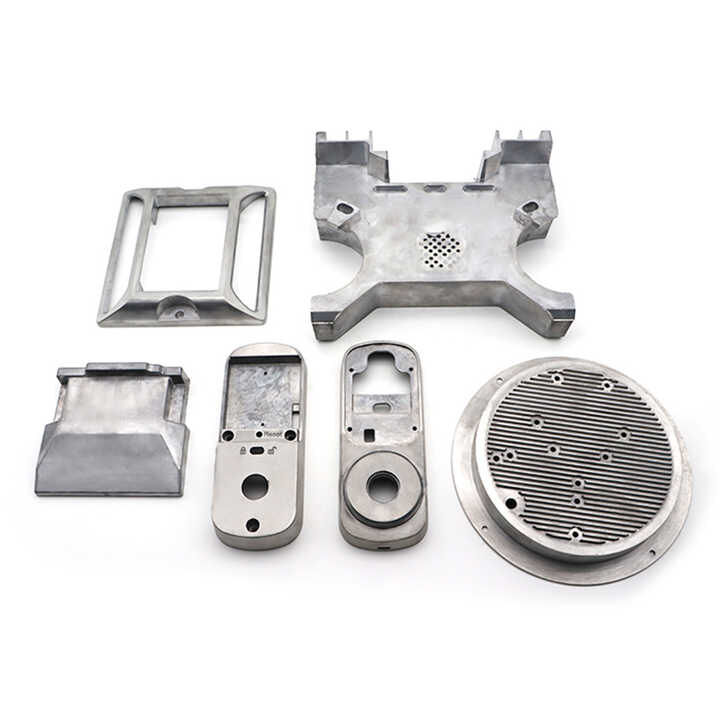
Aluminum casting offers many advantages in manufacturing, making it a recommended selection for various markets. One substantial benefit is its light-weight nature, which adds to minimized transport costs and improved power performance in output. Aluminum's excellent thermal and electrical conductivity enhances performance in applications calling for warmth dissipation or electric conduction.
The material's ability to be cast into elaborate shapes enables layout adaptability, decreasing the requirement for extra machining procedures. On top of that, aluminum casting shows exceptional rust resistance, resulting in longer item lifespans and reduced upkeep prices.
Typical Applications of Aluminum Castings
The versatility of aluminum casting enables its extensive use across numerous markets. Usual applications include vehicle parts, where lightweight and corrosion-resistant parts, such as engine blocks and transmission housings, enhance car efficiency. In the aerospace market, aluminum spreadings are utilized for structural parts, offering stamina without including significant weight.
Furthermore, the electric industry gain from aluminum spreadings in making enclosures and heat sinks, where thermal conductivity is necessary. The customer goods sector additionally incorporates aluminum castings in products like kitchenware, furnishings, and ornamental products, combining looks with capability.
The building and construction sector uses aluminum spreadings for building components, window frameworks, and fixtures, which offer sturdiness and style versatility. Overall, the varied applications of aluminum spreadings highlight their value in modern manufacturing, adding to innovations in performance and item style across multiple fields.
Technologies and Technical Improvements
As sectors remain to develop, developments in aluminum casting technology are changing manufacturing processes and item abilities. Improvements in 3D printing and additive manufacturing have actually enabled the creation of complicated geometries that were formerly difficult to attain with traditional methods. These innovations enable rapid prototyping, reducing preparations and prices.
Additionally, enhancements in mold and mildew design and products have actually improved the casting process by boosting efficiency and reducing waste. The assimilation of smart production techniques, such as IoT gadgets and real-time data analytics, permits better surveillance and optimization of production parameters, leading to better results.
Developments in aluminum alloys provide boosted toughness, corrosion resistance, and light-weight properties, catering to the expanding demands in auto and aerospace fields. Collectively, these technologies are not just improving efficiency but additionally fulfilling the rigorous requirements of contemporary design applications.
Best Practices for Quality Control in Aluminum Casting
Making certain top quality outcomes in aluminum casting calls for adherence to ideal techniques that incorporate numerous phases of the manufacturing procedure. Initially, detailed product inspection is important to validate the top quality of aluminum alloys made use of, as contaminations can greatly influence the last item. Executing accurate melting and pouring strategies minimizes defects; maintaining ideal temperature levels protects against oxidation and advertises harmony.
Additionally, mold design plays a vital role; using computer-aided layout internet (CAD) can improve precision and reduce human mistake. Normal tracking of the cooling process is essential to stay clear of bending and shrinkage. Furthermore, using non-destructive screening techniques, such as ultrasonic or X-ray inspections, assists identify internal defects without harming the elements.
Developing a comments loophole with engineers and drivers fosters constant improvement, making sure that top quality control procedures evolve together with technical improvements. By adhering to these finest techniques, suppliers can boost the dependability and efficiency of aluminum castings.
Often Asked Inquiries
What Are the Environmental Effects of Aluminum Casting?
The ecological impacts of aluminum casting include considerable power usage, greenhouse gas exhausts, and potential water contamination from factory procedures. Additionally, bauxite mining for aluminum ore can result in environment devastation and dirt destruction.
How Does Aluminum Casting Contrast to Various Other Steel Casting Procedures?
Aluminum casting normally supplies advantages in lightweight elements and rust resistance contrasted to various other procedures, such as iron or steel casting, which may offer higher toughness yet cause heavier and less corrosion-resistant products. - Aluminum Casting Company
What Prevail Flaws in Aluminum Castings and Their Reasons?
Typical flaws in aluminum castings include porosity, shrinkage, and inclusions. Reasons usually originate from inappropriate putting methods, inadequate mold layout, or contamination of the liquified steel, affecting the final item's honesty and performance.
What Security Preventative Measures Should Be Taken During Aluminum Casting?
Throughout aluminum casting, essential safety and security preventative measures consist of putting on protective gear, guaranteeing proper air flow, keeping a tidy office, managing molten metal with treatment, and adhering to well established procedures to minimize risks of burns, breathing dangers, and mishaps.
Exactly How Can I Improve the Performance of My Aluminum Casting Workflow?
To enhance efficiency in aluminum casting procedures, one must optimize mold and mildew style, simplify product handling, employ automated procedures, carry out regular upkeep on equipment, and spend in employee training to improve skills and efficiency.
Different approaches exist, aluminum casting encompasses several primary processes that provide to different applications and needs. Trick elements of aluminum casting procedures consist of the preparation of mold and mildews, which may be made from sand, metal, or ceramic products, depending on the intended usage. Sand casting strategies stand for an essential technique in aluminum casting, where sand is used as a mold and mildew material to shape liquified metal. As sectors proceed to develop, innovations in aluminum casting modern technology are transforming manufacturing processes and product capacities. Ensuring high-quality outcomes in aluminum casting calls for adherence to finest techniques that encompass different phases of the production procedure.
Comments on “Frequent Issues in aluminum casting and Practical Solutions Explained”